Metchosin iNaturalist Review 2025

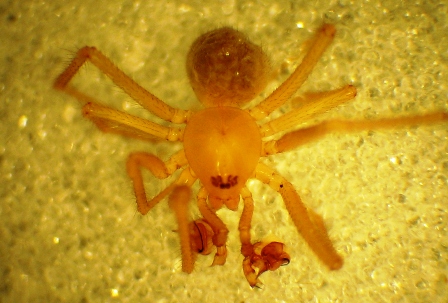
Images from upper left, clockwise: Nevada Tiger Moth by Moralea Milne; Texas Balloonwort by Nathan Earley; a pseudoscorpion by Thomas Barbin; Northern Feather Duster Worm by iNaturalist user ellery_mf; Stilt Sandpiper by iNaturalist user dityson; Stalked Orange-peel Fungus by Amanda Ray Garner. Photos used under Creative Commons license.

The Metchosin species count took a huge leap in 2025—about 480 new species were added, making 2025 by far the most productive year since MBP switched to iNaturalist in 2018.

The current count of 4258 species in Metchosin may be the highest—at least among comparably sized municipal regions—in Canada.

The Metchosin records added in 2025 were culled from a pool of 11,000 iNaturalist observations made by 550 people and vetted by twice that many experts from all around the world. (To see the latest numbers, visit our database home page.)

Here’s a short review, broken down by category, of some of the species that were added to the MBP’s database in 2025:

Birds. If any group of Metchosin species should be approaching its upper limit, birds would be an obvious candidate. Still, a dozen new birds showed up in this year’s records. The expansion of our records has been mostly thanks to hosting the Rocky Point Bird Observatory and their skilled birders in our district. Our first Cassin’s Auklet (Ptychoramphus aleuticus) was sighted in 2024 but only added to the database this year. It’s a red-listed diving bird that lives on off-shore islands. The Virginia Rail (Rallus limicola), a large, comical bird that hangs around brackish marshes and is better known to people in Victoria and Saanich, popped by Metchosin in August. In the same month, an Eastern Kingbird (Tyrannus tyrannus) balanced on the top of a Metchosin Douglas-fir. The Stilt Sandpiper (Calidris himantopus), a long-distance traveller, usually migrates through eastern North America on its way from Arctic breeding grounds to winter feeding in South America, but a few of them make their way to the West Coast—as one did in Metchosin in 2025 (pictured above).

Insects. More than half of the species added to our iNaturalist database in 2025 were insects. About 60 were hymenoptera—bees, wasps, flies, and ants. About 30 were coleoptera—beetles—and almost as many were arachnids (spiders, mites, and the like). But the real performers were the lepidoptera, the butterflies and moths—MBP had nearly a hundred new records in this order of insects. Three-quarters of these moths were thanks to Moralea Milne, a former Metchosin councillor and advocate of local biodiversity. When she died in 2018, Moralea left behind a trove of nature photos, many taken around her home along the Sooke Road. Libby Avis, a local moth expert, meticulously combed through all of Moralea’s lepidoptera photos, identified them, and added them to our database (see, for example, Moralea’s Nevada Tiger Moth, Apantesis nevadensis, in the above collage). Moralea was one of the MBP’s founders, and it was touching to see her legacy carried on in this way.

Vascular plants and mosses. While MBP does not add cultivated plants to the database, many plants that were introduced to Canada—deliberately or accidently—have learned to survive outside of cultivation, qualifying them to be included in our records. About a third of the 50 plants added for the first time to the Metchosin iNaturalist records in 2025 fall into this category. Some of these, because they cause harm to native ecosystems and displace native plants, might even be called invasives. Field peppergrass (Lepidium campestre) fits the invasive category. In contrast, the delicate Nodding Trisetum (Graphephorum cernuum) found in May by James Miskelly is one of our less common native grasses.

Mosses and liverworts. Among the twelve new Metchosin species in this category was the lovely, rare, and aptly named Texas Balloonwort (Sphaerocarpos texanus, see the picture above). A BC bryologist commented that this find in Metchosin deserved “flashing strobe lights and international billing.”  

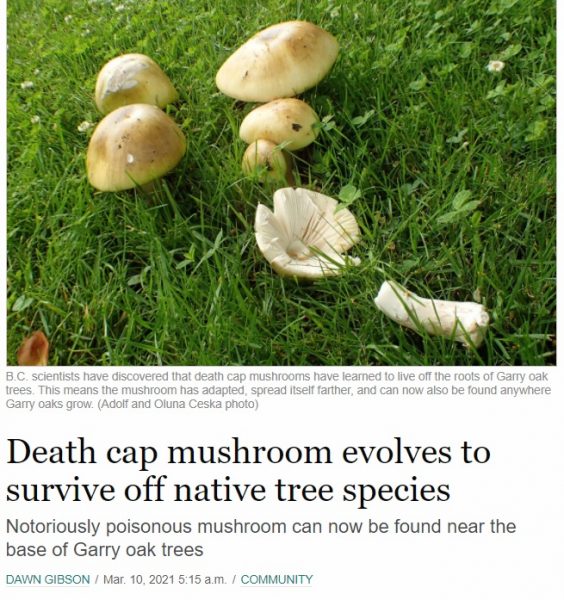
Fungi and Slime Moulds. About 75 species of fungi, lichens, and slime moulds were first added to the Metchosin records in 2025. Many in Metchosin will be familiar with the ubiquitous Orange-peel Fungus (Aleuria aurantia), but in 2025 Amanda Ray Garner recorded the handsome Stalked Orange-peel Fungus (Sowerbyella rhenana, pictured above).

The launch of the new BC Mycomap project in September, funded in part by the Metchosin Foundation, added a new slant to local work on the local fungi and slime moulds. Members of these phyla can be hard to identify all the way to species level. For many of them, it is essential to obtain sequences of an area of their genome known as the “fungal barcode.” BC has historically trailed US states south of the border in obtaining and publishing these barcodes. The Mycomap project’s goal is bring BC up to speed in this important effort. At the time of this writing, about a hundred people from all over BC have taken on the task of submitting vouchers for sequencing. Of the 11,000+ collections made, 4% have come from Metchosin. Leading contributors to the Metchosin vouchers include Simone Littledale, Karen Dyke, Bill Weir, Roanan DeMeyer, Tina and Ian Brown, and Kem Luther. When the results start to arrive in the middle of 2026, it is likely that numerous new species will become part of the Metchosin count.

Marine Life. About 60 new species fall under the loose heading of “marine life.” These include seaweeds, barnacles, chitons, crabs, fish, molluscs, nudibranchs, amphipods (e.g., shrimp), sponges, and sea worms. One of the crabs was, unfortunately, the European Green Crab (Carcinus maenas), which has been spreading along the Southwest Coast of BC. A supercompetitor that displaces native crabs and damages crucial marine habitat, it arrived on the West Coast about 1990, and in 2012 a well-established population was discovered in the Sooke Basin. The Coastal Restoration Society has trapped and removed more than 600,000 of these crabs from Sooke and Clayoquot Sound.

Sooke Mirror Article on Bilston Corridor

The Sooke Mirror for April 18, 2025, featured an article by Tony Trozzo about the initiatives taken by the Metchosin Foundation on conserving land in the Bilston Corridor. From the article:

“The Bilston Creek Conservation Corridor is a project designed to protect Metchosin’s natural landscapes – and those are under severe threat from urban development,” Heloise Nicholl, a director with the Metchosin Foundation, said. “It’s about ensuring that critical ecosystems like the dry coastal Douglas-fir forest and Garry oak meadow remain intact.”

Insect Art Card Launch

A five-year old collaboration between two very different Metchosin organizations—the Metchosin ArtPod and the Metchosin Foundation—has produced a new fusion of nature and art: a set of Insect Art Cards.

The first two years of BC Art Nature Card projects merged the artistic talents of 72 Vancouver Island and area artists under the coordination of Memet Burnett at Metchosin ArtPod, the scientific enthusiasm and financial support of the Metchosin Foundation, and the avian knowledge of naturalists at the Rocky Point Bird Observatory under the supervision of birder extraordinaire Ann Nightingale. The result was two sets of popular Bird Art Cards. In 2022, the bird sets were joined by a deck of Mushroom Art Cards.Thirty-six different artists participated in that project.

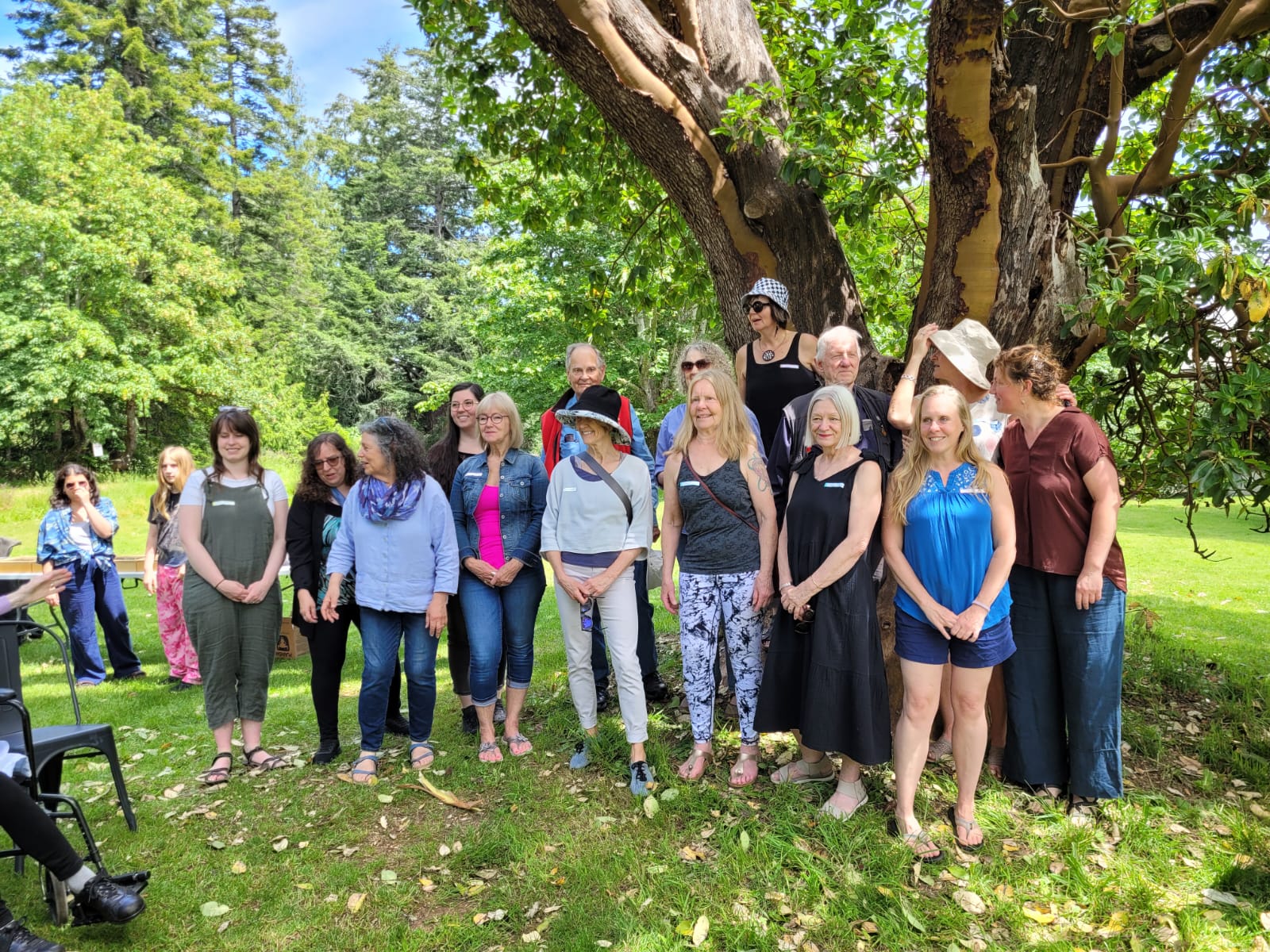
Some of the artists and volunteers pose for a group portrait. Photo by Steven Kelly.

After a year’s hiatus and with the prodding of a batch of artists keen to take on yet another kingdom, insects became the focus for 2024. This new art card project tapped into the expertise of Claudia Copley, Entomology Collections Manager and Researcher at the Royal BC Museum. The texts provided by Claudia for the back sides of the cards are fascinating and informative. Flip the cards over and you will see the gorgeous work of 36 local artists who donated images of their artwork for this fundraiser.

The launch party for BC Art Nature Cards 2024: INSECT Deck happened on National Insect Appreciation Day, 8 June, at Bilston Farm, 4185 Metchosin Road, between 1-3 pm. Many of the artists and people from the general public attended. The people who came joined in an insect “hunt” for the images in the set that had been posted around the grounds. Claudia and Darren Copley took people around the grounds for a look at live insects. Neville Winchester brought display posters about Metchosin’s five-year insect study with Malaise Traps. 

The Insect Art Card launch was helped by a kind and timely grant from the West Shore Arts Council.

Joan and Margaretha explain how the project came about.
Neville Winchester's new poster about Metchosin's 5-year insect biomass study
The Copley's beat the bushes for insects--and find them!

Metchosin MycoBlitz 2023 foray

We will be contributing Metchosin mushrooms to the SVIMS annual mushroom show, which will be on Sun, October 22, at the Royal BC Museum, 10-4pm (free, admission by donation). To join us in our Metchosin mushroom hunt, meet Andy and Kem at 9:00 am on Sat, October 21, 2023 in front of the District of Metchosin offices. We should be done by about 11:00.am.  Mushrooms are a-poppin’ in Metchosin. We may find such beauties as the false chanterelle pictured here, which appeared last week.

Lyn Baldwin — Nature Journalling — Talk/Walk Sept 2023

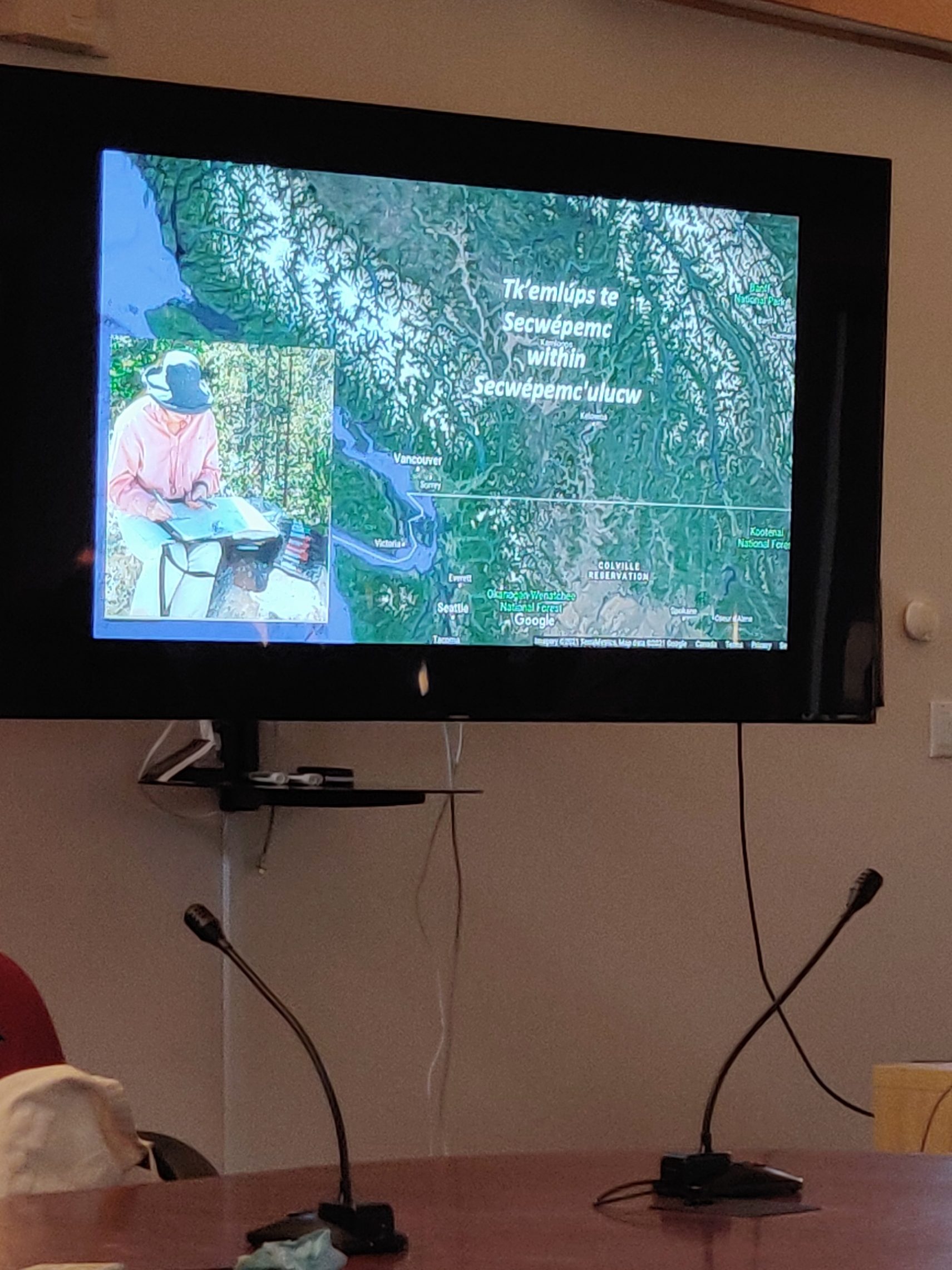
On September 1 and 2, 2023 Lyn Baldwin joined Metchosin residents for a Talk and Walk based on her new book, Drawing Botany Home, and on nature journaling. 


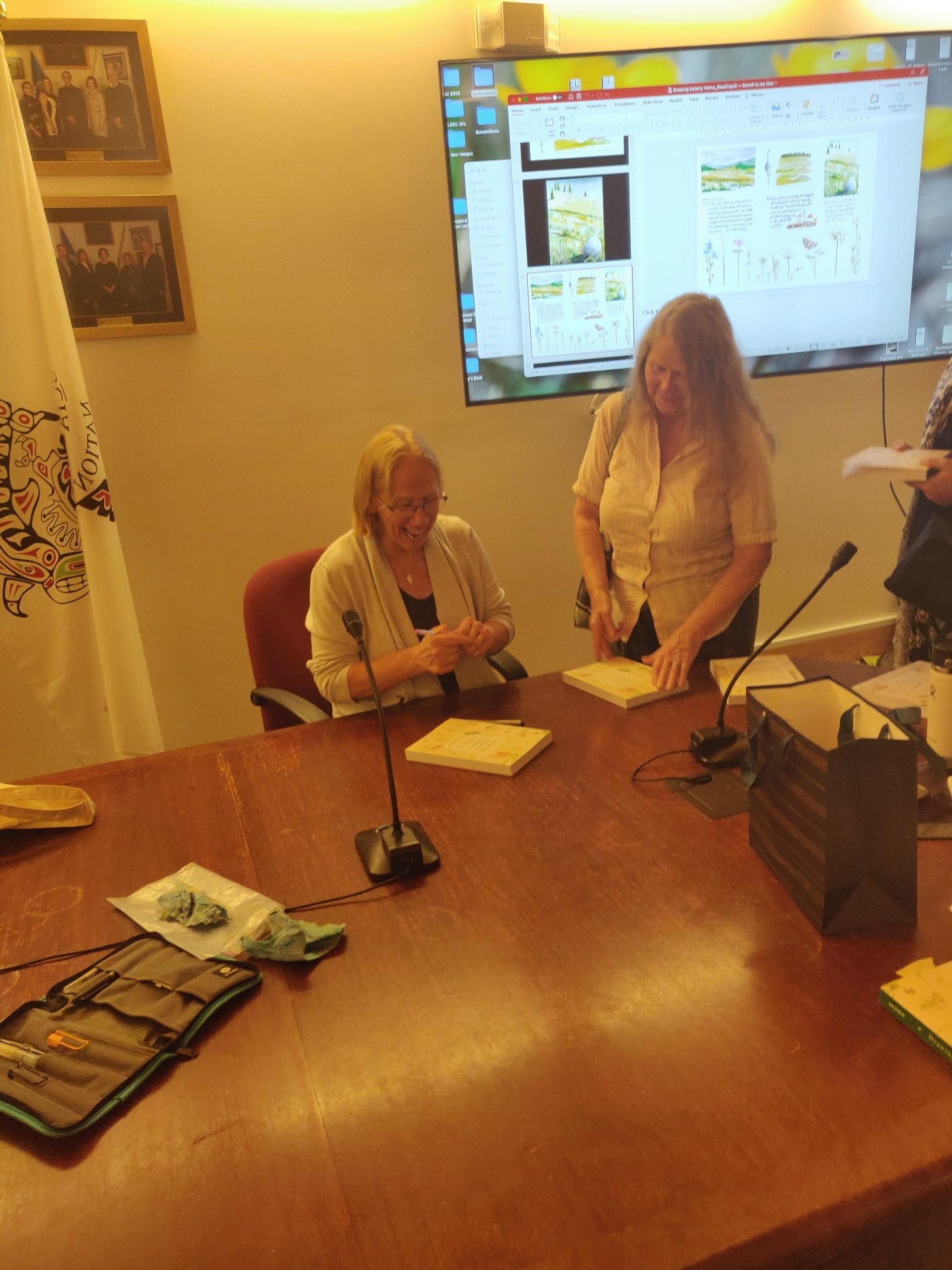
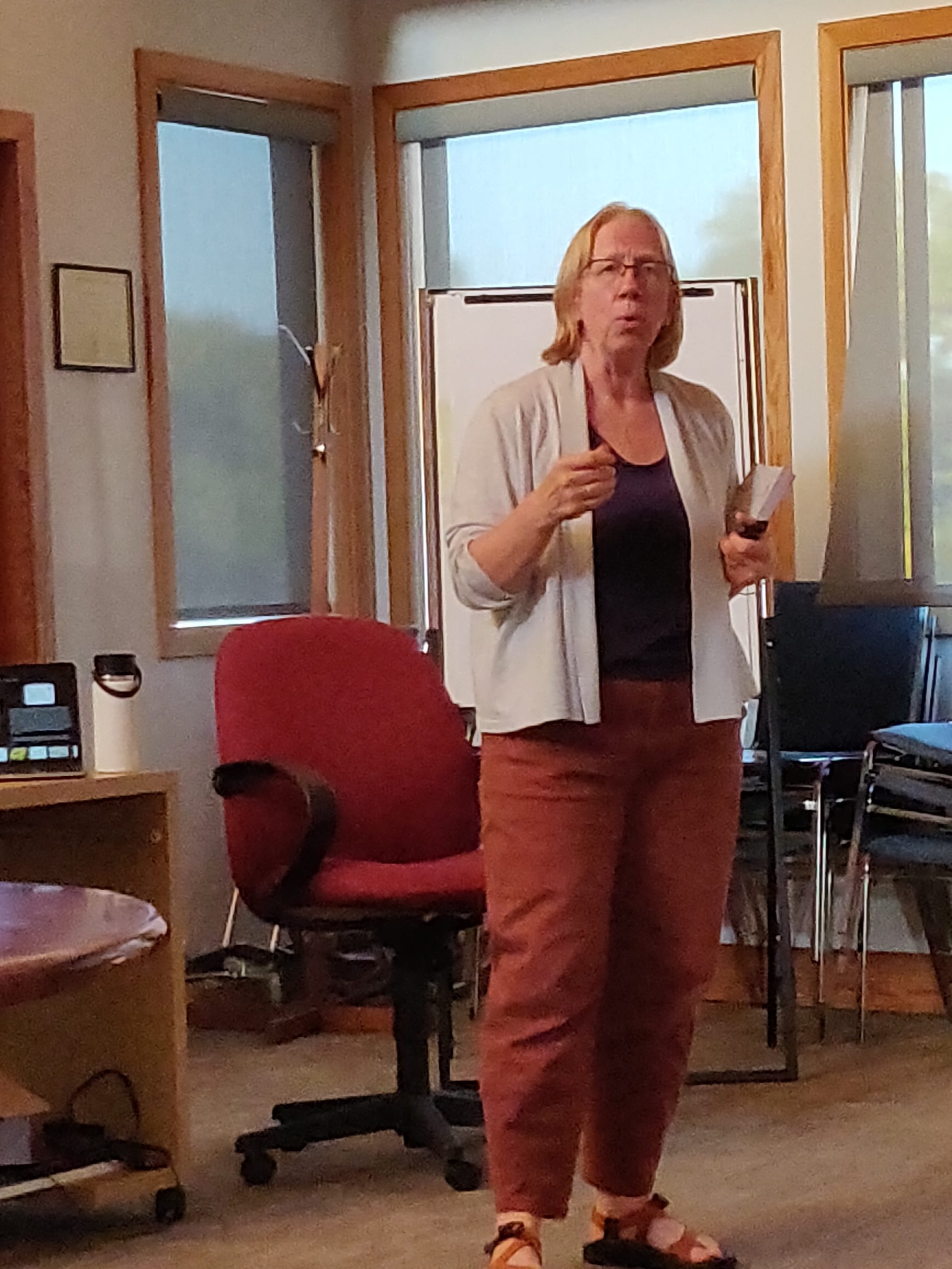
Lyn, a professor at Thompson Rivers University in Kamloops, read from her book. She also brought along several of her illustrated nature journals.  After the talk, she signed books.

.

Explaining how to use the art kits.
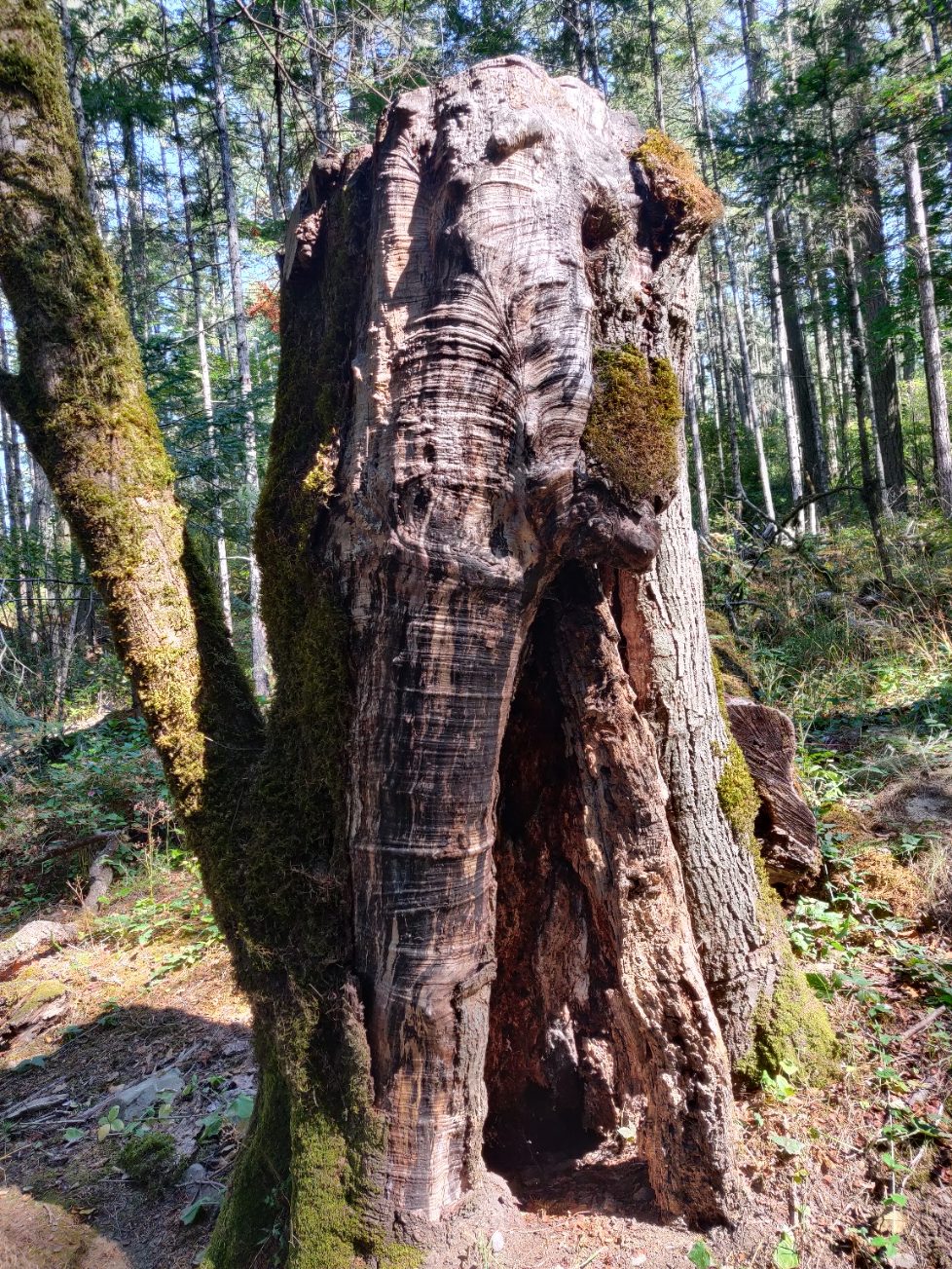
Some "found" art in a maple stump.
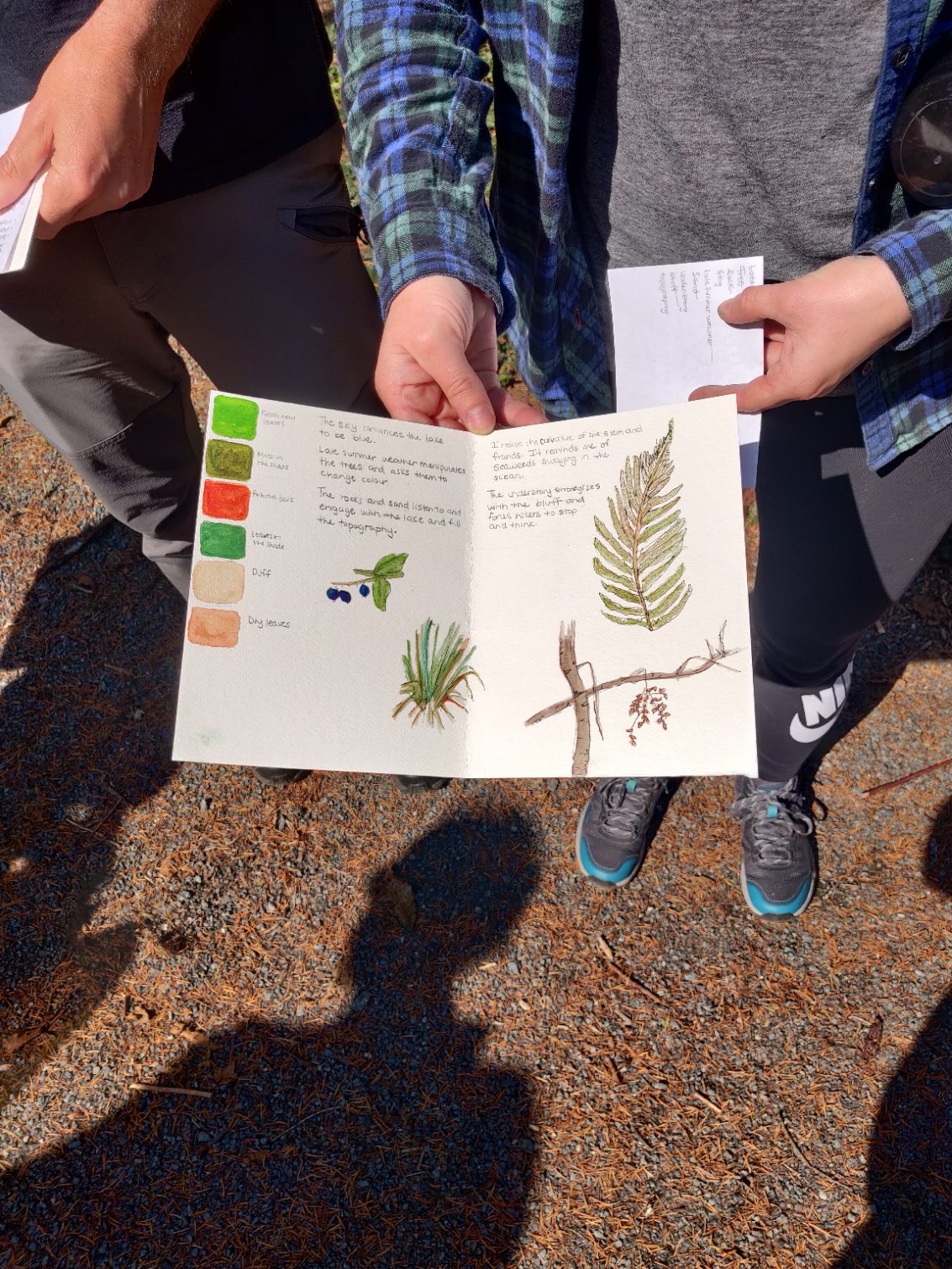
One of the exercise journals produced by a student


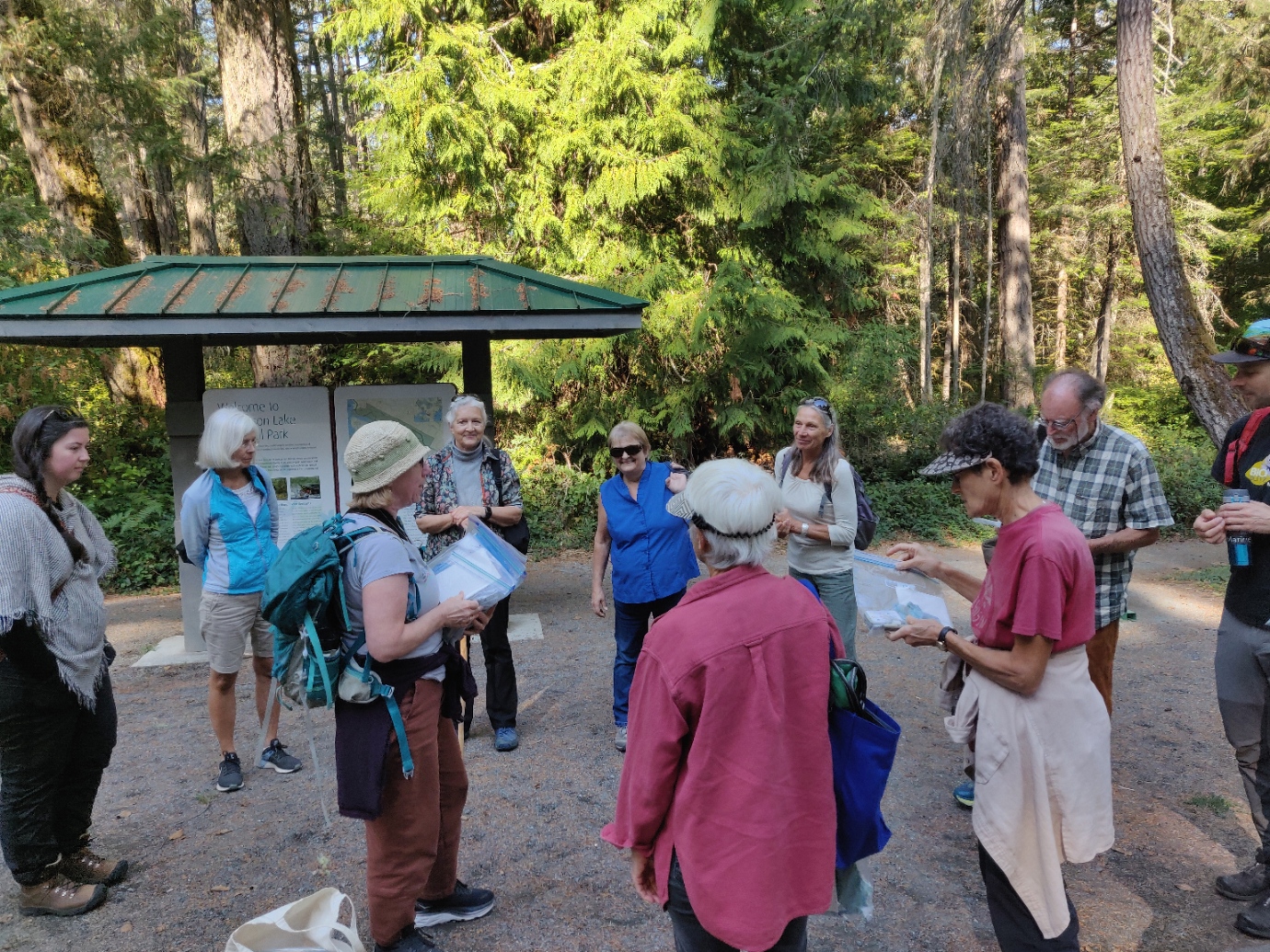
On Saturday morning, a group of 15 artists and would-be artists met with Lyn at Matheson CRD Park to do four exercises in nature journaling. Lyn brought along small painting and drawing kits and art paper for each of the students. They wandered along the path to the lake, pausing to do the exercises.